Most searched for brands of measuring and regulation technology






Hybrid heating is a system that combines multiple heat sources so you can switch between them as needed, reducing costs and emissions while maintaining the required temperatures. In short, you take advantage of the strengths of each source under different conditions.
Nowadays, many people are looking to modernise their heating systems, not only because of energy prices and uncertainty in the energy market. Requirements for environmentally sustainable living and thermal comfort also carry significant weight. Hybrid heating addresses all of these challenges, bringing you not only savings, but also flexibility and independence. In addition, you can effectively reduce greenhouse gas emissions.
Hybrid heating can combine two sources (so-called bivalent heating) or three sources (so-called trivalent heating). What are the most commonly used combinations, and why?
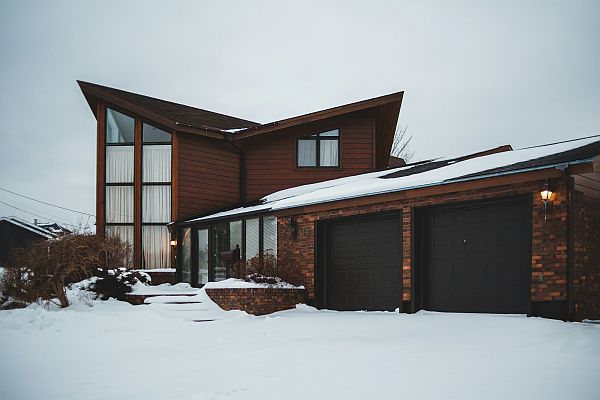
Hybrid heating will reduce your costs and increase comfort
Wondering whether to heat with gas or a heat pump? The ideal solution is to combine them. Heat pumps have low energy consumption, so despite the higher upfront cost, the investment pays back quickly. They are particularly suitable for low-temperature systems, i.e. underfloor heating, because they do not heat water to high temperatures and their efficiency drops in freezing conditions.
As a supplementary source during the heating season, it is therefore advisable to combine a heat pump with a gas boiler. The boiler can efficiently and quickly heat water even to high temperatures regardless of outdoor temperatures, making it suitable for radiators, severe winters, or covering peak demand. Modern condensing boilers also have low gas consumption and low emissions. This combination is very versatile, although it is recommended for well-insulated homes. Similarly, a heat pump can be combined with a solid-fuel boiler.
Advantages:
An electric boiler provides heating and domestic hot water without the need for operation. A fireplace needs refuelling, but it heats the room very quickly and efficiently and, thanks to the heat exchanger, also heats water. Compared to a fireplace without a heat exchanger, it can therefore heat more rooms at once and the energy from combustion is used more efficiently.
This combination is ideal for older houses without a gas connection. You can combine a convenient, albeit more expensive-to-run electric boiler with a low-cost fireplace. The main benefits are low purchase and running costs; the drawbacks are higher emissions and limited control options.
Advantages:
A popular choice for low-energy and passive new builds and for users with high sustainability requirements. Although an electric boiler has higher energy consumption, solar panels allow you to generate completely green electricity yourself, free of charge. This saves both money and the environment.
An alternative solution is solar water heating – a system that does not generate electricity but uses solar energy directly to heat water. In our climate conditions, however, the heating water produced in this way still needs to be heated further, for example using an electric boiler.
Advantages:
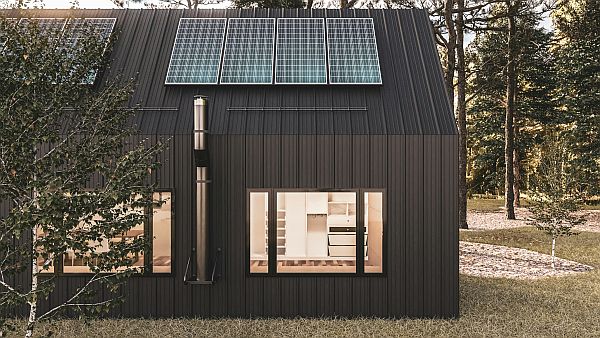
Solar panels are an integral part of low-energy new builds
To get the most out of hybrid heating, you need to switch correctly and efficiently between the individual sources. You can do this manually, or automatically using smart controls, which ensure full integration of the sources into one efficient whole.
An intelligent control system takes care of smart heating regulation and switching between sources so that you always have optimal temperatures at minimal cost, with an emphasis on environmentally friendly operation. You simply set the required temperatures throughout the day, enter your gas and electricity tariffs, and your smart system takes care of everything else. You can also monitor and adjust temperatures and consumption in a mobile app – anytime, anywhere.
If, for example, you have a combination of a heat pump and a gas boiler, intelligent heating control will treat the cheaper and greener heat pump as the primary source. However, as soon as outdoor temperatures drop and the pump can no longer cover demand, the system will switch on the gas combi boiler as a supplementary source.
Smart heating can also make solar water heating combined with an electric boiler more efficient. Solar heating will likewise be the primary source, as it is greener and free. However, if it no longer covers demand, the electric boiler will switch on. The system will schedule water heating during cheaper tariff periods, and the water will be stored in a buffer tank for later use.
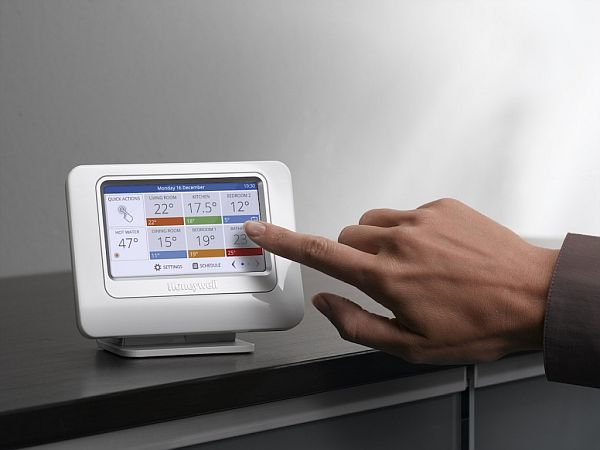
With smart control, you’ll get the maximum benefits from hybrid heating
When designing energy-efficient heating with multiple heat sources, it is necessary to take into account the properties of the heated building (e.g. insulation, floor area), the existing heating system (underfloor/radiator, heat sources), the availability of energy sources (gas connection), as well as your individual requirements. The control system must be compatible with all components.
Switching to hybrid heating does not necessarily require extensive renovations; often an extension or modernisation is sufficient – e.g. adding a heat pump to a gas boiler or replacing a standard fireplace with a fireplace with a heat exchanger. Existing heat distribution pipework can usually be left untouched. Homeowners can use the subsidy programme New Green Savings for these purposes.
Would you like to save money, increase comfort and reduce dependence on fossil fuels? Hybrid heating offers a range of benefits, but it requires careful preparation and a high-quality, tailored design. If you have any questions, please do not hesitate to contact us. We will be happy to provide expert advice on designing energy-efficient heating.
 Bola.cz